
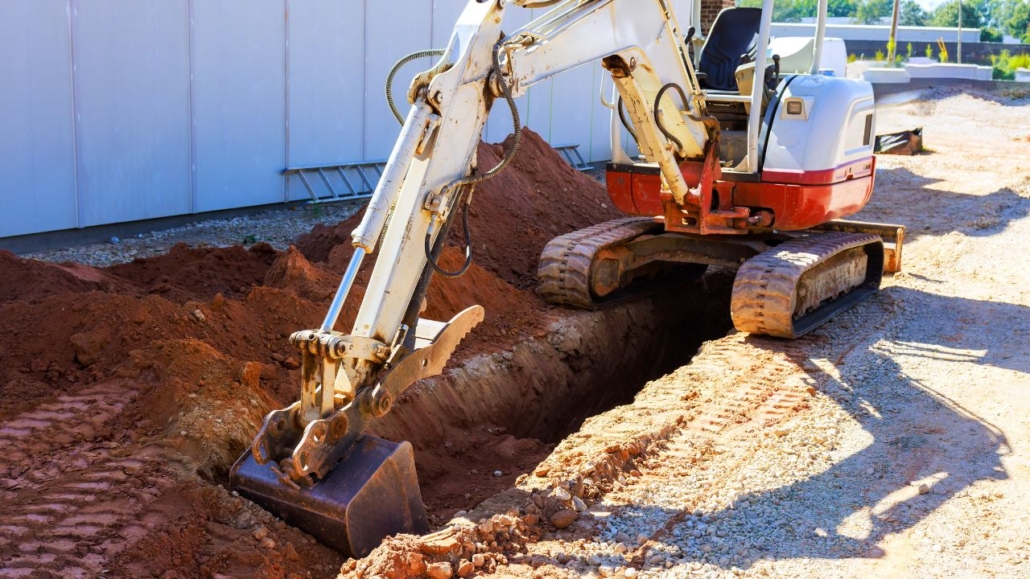
Best Practices for Safe Digging in California
Excavation projects carry serious safety risks that demand attention before the first shovel breaks ground. Trenching and underground work account for 40 fatalities annually across construction sites, with California enforcing some of the strictest safety requirements in the nation. Understanding proper protocols protects workers, supports public safety, prevents costly utility strikes, and keeps projects compliant with state law.
California’s Safe Dig Act and Cal/OSHA regulations establish clear requirements for excavation notification and worker protection. Following systematic procedures—from pre-dig planning through final inspection—reduces liability exposure and avoids delays that can cost tens of thousands of dollars. This guide provides actionable frameworks that contractors and property owners can implement immediately on any digging project.
Key Takeaways
- Call 811 and DigAlert at least two working days before excavation, but hire professionals to locate private utilities not covered by public services
- Use Electromagnetic locating for metallic utilities and Ground Penetrating Radar for comprehensive subsurface detection, including non-metallic materials
- Install protective systems for trenches deeper than 5 feet and assign an OSHA Competent Person to conduct daily inspections
- California fines reach $50,000 for Safe Dig Act violations, and utility strikes cost an average of $4,000 in direct repairs, plus 29 times more in cleanup
- Every dollar spent on utility locating services saves $4.62 in damage prevention, making professional locating a proven investment
Why Safe Digging Practices Matter
Cave-ins represent the greatest threat to workers performing excavation and trenching operations on construction sites. A single trench collapse can bury workers in seconds, leaving little time for rescue and often resulting in fatal injuries. Beyond worker safety, California enforces the Safe Dig Act with penalties reaching $50,000 for violations, plus full liability for repair costs when excavators strike underground utilities without proper notification.
Sound excavation practices protect crews and preserve project schedules while avoiding the financial burden detailed throughout this guide. Excavation-related damages to underground utilities in California contribute to the $30 billion annual cost of underground infrastructure strikes nationwide. Implementing proven safety protocols before work begins eliminates preventable incidents that destroy budgets and reputations.
The Core Safe Digging Practices
Notify and Plan Before You Dig
Contact 811 at least 2-3 days before excavation to initiate the national dig notification service. California law requires separate notification to DigAlert at least two working days before digging anywhere in the state. These locate requests cover public utilities only and do not identify private lines such as irrigation systems, landscape lighting, or property-specific infrastructure.
Identify all surface encumbrances across the work area before equipment arrives on site. Classify soil as Type A, B, or C to determine appropriate protective measures and ensure compliance with utility locating regulations and CA standards.
Locate Both Public and Private Utilities
Verify that public utilities have been properly marked through your 811 and DigAlert request. Professional locators must be hired separately to detect non-public utilities using Electromagnetic (EM) and Ground Penetrating Radar (GPR) technologies. EM locating identifies metallic pipes, cables, and tracer wires embedded in the ground.
GPR detects both metallic and non-metallic materials, including PVC pipe, concrete structures, and subsurface voids. Combining these technologies provides comprehensive coverage that protects against strikes to all subsurface installations present at the site.
Verify, Mark, and Document
Pothole every marked utility location before machine digging by hand-excavating or using vacuum excavation methods. Hand-dig within the required 18-24 inch tolerance zone surrounding every marked utility to confirm exact location and depth. This verification step prevents equipment damage to lines that may have shifted from their marked positions.
Record all locate data using GPS coordinates and site photographs to create a defensible project record. Documentation proves due diligence if disputes arise and provides a valuable reference for future work in the same area.
Protect the Trench and Workers
Install protective systems for any trench exceeding 5 feet in depth using hydraulic shoring, aluminum trench shields, or steel trench boxes. Provide ladders or ramps positioned within 25 feet of all workers in trenches deeper than 4 feet. Keep heavy equipment and excavated spoil piles at least 2 feet away from the trench edge to prevent loading that could trigger collapse.
These construction site safety protocols are not optional recommendations but mandatory requirements under Cal/OSHA regulations. Failure to implement proper protective systems exposes companies to citations, fines, and liability for preventable injuries.
Monitor and Maintain Compliance On Site
Assign a Competent Person holding OSHA Competent Person Certification to oversee all excavation work. This designated individual must perform daily atmospheric testing for hazardous gases and conduct structural inspections of protective systems. Daily inspections by the Competent Person continue throughout the excavation lifecycle, with additional inspections required after rain events or any incident that could affect trench stability.
Continuous monitoring catches developing hazards before they cause injuries or equipment damage. The Competent Person has the authority to halt work immediately if unsafe conditions develop at any point during the project.
Utility Locating Technologies: EM Vs. GPR
How the Two Methods Differ
EM locating targets metallic infrastructure, including pipes, cables, and tracer wires installed alongside non-metallic utilities. GPR detects metallic and non-metallic materials such as PVC, concrete, and voids without relying on conductivity. EM provides cost-effective, fast, and reliable detection for known metallic lines, while GPR delivers comprehensive subsurface views that reveal unexpected utility lines and buried infrastructure.
EM cannot detect non-conductive materials, limiting effectiveness on sites with extensive PVC or fiber optic installations. GPR carries higher equipment costs and operates more slowly than EM, but detects both metallic and non-metallic targets. Professional locators in Alameda, Contra Costa, and San Francisco typically combine both technologies for complete coverage.
Market Use and Accuracy
EM locators command approximately 45% of the utility detection equipment market. GPR systems hold roughly 25% market share despite higher costs due to superior detection capabilities. GPR performance is affected by soil moisture and composition, with typical depth penetration reaching 3-6 meters in favorable conditions.
Depth accuracy within ±5-10% represents a critical performance requirement for preventing utility strikes during excavation. RTK and GPS integration improve mapping precision by providing centimeter-level coordinate data for every detected utility.
California Regulations and Enforcement
The Governing Rules
California Government Code 4216, commonly known as the Safe Dig Act, anchors California Excavation Law and governs excavation notification requirements throughout the state. Cal/OSHA establishes excavation and trenching safety standards through Article 6 of the Construction Safety Orders, codified in Title 8 of the California Code of Regulations. Protective systems become mandatory by OSHA regulation for any trench exceeding 5 feet in depth.
Competent Person Certification is required for OSHA compliance on all excavation projects. Understanding regulations surrounding utility line marking in California prevents violations that carry severe financial and legal consequences for contractors.
Enforcement and Fatality Trends
California imposes fines up to $50,000 for Safe Dig Act violations plus full liability for repair costs. OSHA issued 629 citations for excavation safety violations during 2024 as enforcement activity increased. Excavation and trenching produce some of the most severe accidents and fatalities in construction, claiming approximately 40 lives annually across the industry nationwide.
Trenching and excavation deaths spiked to 39 fatalities in 2022 alone. This represented a 160% increase from just 15 fatalities recorded in 2021, prompting intensified regulatory scrutiny and enforcement.
The Cost and ROI of Safe Digging
Equipment Pricing Tiers
Budget and entry-level equipment under $1,000 includes basic cable tracers and magnetic locators suitable for simple projects. Mid-range equipment priced $1,000-$3,000 includes professional models like the Leica DD120 and Schonstedt u-LOCATE. High-end locators costing $3,000-$6,000, such as the Radiodetection RD8200, offer advanced features and deeper penetration.
Premium survey-grade systems exceeding $6,000 incorporate RTK-enabled positioning for centimeter-level mapping accuracy. EM locator pricing ranges from $800 to $15,000, depending on capabilities, while GPR systems cost $15,000 to $50,000 or more.
The Cost of a Utility Strike
Excavation-related damages to underground utilities cost approximately $30 billion per year across the United States. The average direct repair cost per utility strike incident reaches $4,000 for fixing damaged infrastructure. However, cleaning up a utility strike costs 29 times more than repairing the physical damage itself when accounting for project delays, emergency response, legal fees, and reputational harm.
Many Sacramento contractors reduce liability with private utility locating services that prevent these catastrophic cost multipliers. A single avoided strike typically pays for professional locating services across multiple projects.
The Return on Safe Digging
Professional utility locating delivers measurable financial returns for every dollar invested in pre-excavation safety. For every $1 spent on utility locating services, projects save an average of $4.62 through damage prevention. Safety training programs deliver an ROI of $4 to $6 for every dollar invested when accounting for reduced injury costs and improved productivity.
Companies typically allocate 2.6% of their budgets to safety training compared to 3.6% spent on workplace injuries. Reallocating resources toward prevention rather than incident response produces superior financial outcomes while protecting workers and infrastructure.
Quick-Reference Safe Digging Checklist
This condensed list provides crews with essential California dig permits and safety verification steps for every excavation project.
- [ ] Call 811 (2-3 days out) and DigAlert (2 working days out) before excavation
- [ ] Confirm 811 / DigAlert covers public utilities only and arrange private locating separately
- [ ] Identify surface encumbrances and classify soil as A, B, or C
- [ ] Locate metallic lines with EM and metallic plus non-metallic lines with GPR
- [ ] Pothole to verify exact location and depth before machine digging
- [ ] Hand-dig within the 18-24 inch tolerance zone
- [ ] Record locate data with GPS coordinates and photographs
- [ ] Install protective systems for trenches deeper than 5 feet
- [ ] Provide ladders or ramps within 25 feet of workers in trenches deeper than 4 feet
- [ ] Keep equipment and spoils at least 2 feet from the trench edge
- [ ] Assign an OSHA Competent Person on site
- [ ] Run daily atmospheric testing and structural inspections
Understanding why utility marking is crucial for your home improvement project helps property owners recognize that these steps apply to residential work as well. Following earth-moving equipment guidelines and systematic verification prevents costly mistakes regardless of project scale.
Safe digging practices protect lives, preserve infrastructure, and prevent financial disasters on construction sites across California. The protocols outlined in this guide represent proven methods contractors use daily to maintain compliance with state regulations while protecting workers and underground utilities. Investing in professional locating services, proper training, and protective equipment delivers measurable returns that far exceed the upfront costs of comprehensive safety programs.
Coastline Utility serves contractors and property owners throughout the Central Coast and San Francisco Bay Area with advanced utility locating and potholing in California using state-of-the-art equipment and experienced technicians. Their comprehensive approach combines EM and GPR technologies to ensure complete subsurface detection before excavation begins.
Locate With Coastline Utility Before You Break Ground
Safe digging starts with knowing exactly what sits below the surface. Coastline Utility helps contractors and property owners across the Central Coast and San Francisco Bay Area locate public and private utility lines before a digging project begins, pairing electromagnetic and GPR locating with experienced field technicians. The team marks every line accurately, documents each find, and keeps your work aligned with California Excavation Law and Cal/OSHA requirements. Contact Coastline Utility today to schedule professional utility locating and protect your crew, your budget, and your timeline.
